Start with the diagnosis
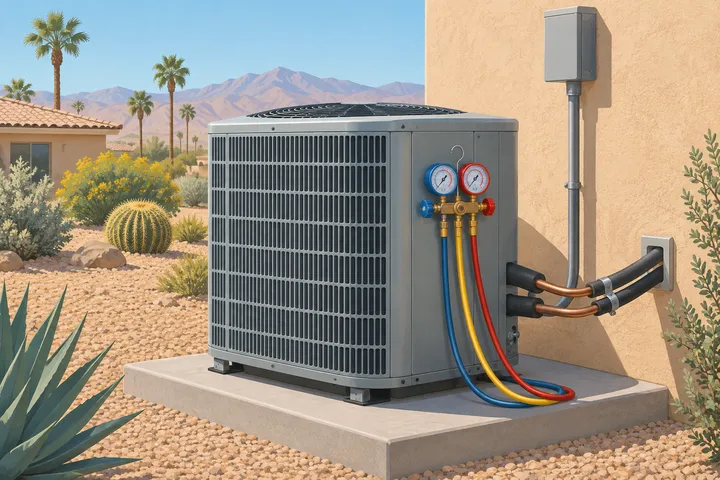
Ask: What evidence shows the charge is low? Was airflow checked? Were coils inspected? What refrigerant does the unit require? Is the technician appropriately Section 608-certified?
If the explanation is that home AC uses up Freon every summer, request a clearer diagnosis. The answers should connect the symptom to a measured fault.
Then ask about work and cost
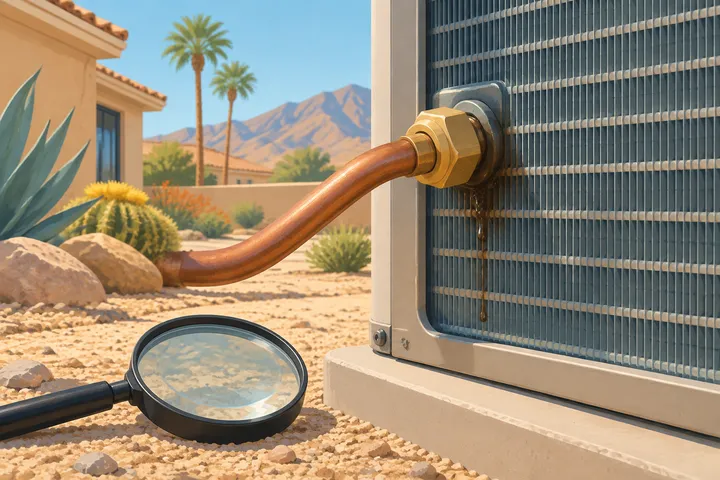
Ask: Was a leak found? What repair is proposed? Does the quote include diagnosis, labor and refrigerant? What warranty applies? What checks will follow the repair?
Those five questions, with the first five, give you a useful appointment record. You do not need to understand every gauge reading to request a clear scope.
Confirm the provider
Ask the receiving company to identify itself, confirm your ZIP, explain visit fees and give availability. A website number does not promise a particular technician or response time.
Use one calm sentence to open the conversation
Try: "The home AC is running, but the house is not cooling the way it used to. I would like the cause checked before approving refrigerant." Follow it with your property ZIP, the system type and when the problem started. You are asking for an assessment, not dictating a repair.
If you can read the nameplate safely, have the model and refrigerant handy. If you cannot, say so. A responsible service conversation should not depend on you climbing to equipment, opening a cover or diagnosing a circuit you are not trained to inspect.
Separate permission to visit from permission to repair
Agreeing to an assessment is not the same as authorizing any repair the company later suggests. Confirm the diagnostic fee before the appointment. Then ask for the diagnosis, proposed scope and total before deciding whether to proceed with the work.
If the recommendation is a refill, bring the discussion back to the reason it was low. If a leak has been found, ask what fixing it involves. If the provider cannot yet give a final repair quote, ask what further testing is needed and what that testing costs. Keep the estimate and warranty terms with the invoice.
Sources behind this guide
General guidance, not a diagnosis of your equipment.