Maintenance is not automatic recharge
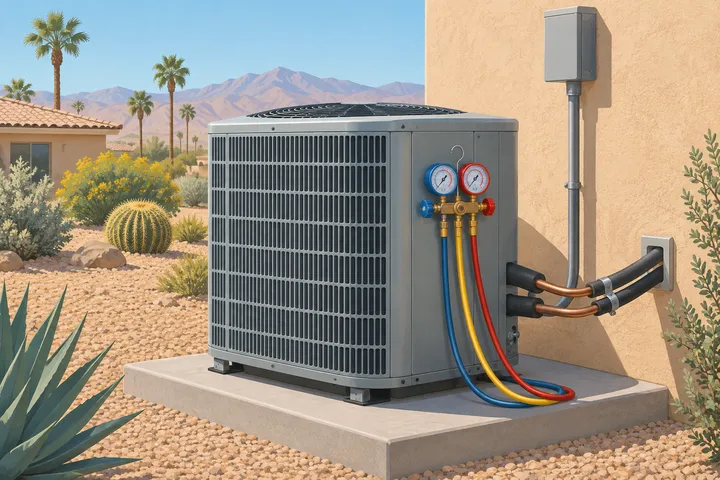
A tune-up may include checking charge, cleaning coils and checking airflow and controls. Those tasks do not mean every system should receive more refrigerant at every visit.
ENERGY STAR recommends checking levels and adjusting when necessary. Too much refrigerant also reduces efficiency, so adding more without measurement is not harmless.
What a low charge can mean
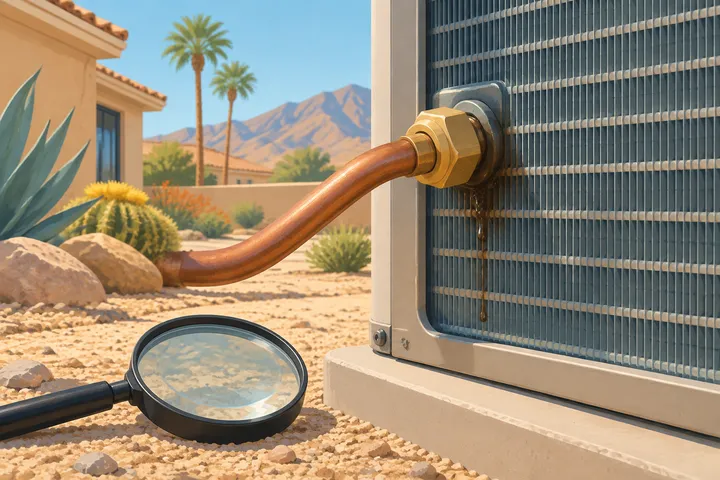
A leak is one explanation; an incorrect initial charge is another. An installation that never cooled correctly raises different questions from an older system that worked well until recently.
Tell the technician if refrigerant was added last year or last month. Bring the invoice and ask whether earlier work included leak detection and repair.
Three questions for the next visit
What supports the low-charge diagnosis? Was airflow checked first? If the system is leaking, what is the repair plan? These questions distinguish a measured correction from a quick top-off.
Keep the invoice and note what changed. If cooling declines again, contact the provider with those details rather than assuming another refill is the answer.
Read the old invoice before buying the same repair again
Look for two separate things on the last invoice: what the technician found and what was done about it. A line that says refrigerant was added describes a service step. It does not, by itself, tell you why the charge was low or whether the cause was corrected.
If the paperwork is unclear, ask the company to explain the earlier diagnosis. You can say, "The cooling improved after the refill, but the same symptom is back. Was a leak confirmed last time, and what was repaired?" That is a more useful starting point than asking for the same number of pounds again.
Keep maintenance and fault correction separate
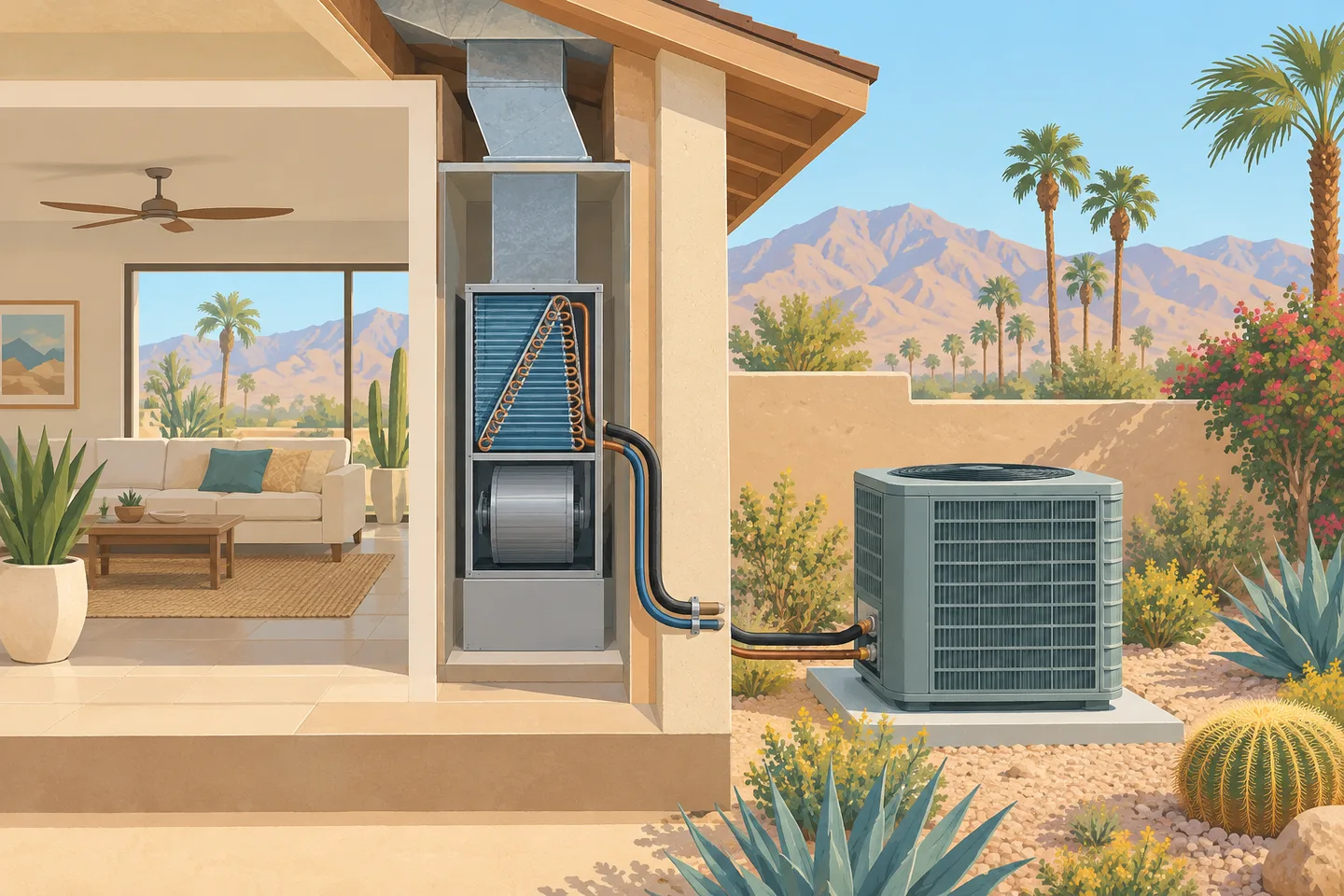
Changing an accessible filter and keeping return grilles clear are homeowner tasks. Checking electrical connections, inspecting internal coils and assessing refrigerant are professional service tasks. A clean filter does not prove the charge is correct; a charge correction does not prove all airflow problems have been solved.
For the next visit, give the technician the full history rather than only the latest symptom. Note when comfort changed, whether every room is affected and whether the thermostat still reaches the set temperature. Do not open panels or attach gauges to gather more information.

Sources behind this guide
General guidance, not a diagnosis of your equipment.